Busting 7 Common Myths About Wound Healing and Physical Therapy: What Patients Really Need to Know
You’ve probably heard advice like “just let it air out” or “physical therapy is only for sports injuries.” These common myths about wound care and rehab can slow healing, raise infection risks, or keep people from getting the movement they need to recover fully.
At Breakwall Wound Care and Rehab LLC, we provide in-home outpatient physical therapy and wound care right here in and around Erie County, PA. We see these misconceptions frequently with patients dealing with chronic wounds like diabetic foot ulcers, venous stasis ulcers, or post-surgical sites. Let’s set the record straight with evidence-based facts so you can make informed choices for faster, safer recovery.
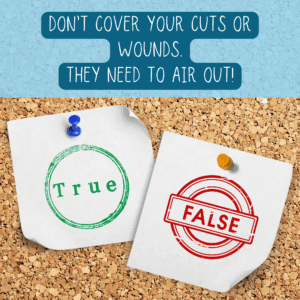
Myth 1: Wounds heal faster when left open to air.
Reality: Keeping a wound exposed to air actually dries it out, forms a hard scab that blocks new tissue growth, and increases infection risk. Modern wound care promotes a moist environment using proper dressings. This speeds healing, reduces pain, and minimizes scarring. Research shows moist healing can cut recovery time significantly compared to dry methods. Your wound doesn’t need to “air out.”
Myth 2: Hydrogen peroxide or rubbing alcohol is the best way to clean a wound.
Reality: These strong agents kill bacteria but also damage healthy cells trying to repair the tissue, delaying healing. Gentle cleaning with mild soap and water (or saline – like from MIST ultrasound) is far better. It removes debris without harming new growth. We guide patients on safe, effective cleaning during in-home visits to avoid setbacks.
Myth 3: Scabs are always a good sign of healing.
Reality: While scabs form naturally, they can trap bacteria underneath and slow the growth of healthy new skin. In chronic wounds, excessive scabbing often signals the need for professional debridement (gentle removal of dead tissue) to promote better healing. Picking at scabs worsens things—let experts handle it.
Myth 4: Physical therapy isn’t needed for chronic wounds—it’s only for injuries or after surgery.
Reality: PT plays a key role in wound recovery! For chronic wounds like diabetic foot ulcers or venous ulcers, gentle, guided exercises improve circulation, reduce pressure on the wound through offloading, boost oxygen delivery to tissues, and prevent stiffness or falls. Without movement, poor blood flow keeps wounds stuck. Our in-home PT integrates safe exercises tailored to your wound stage—no gym required.
Myth 5: You should avoid moving the area near a wound to “protect” it.
Reality: Immobilizing the area too much leads to reduced blood flow, slower healing, and in some cases, can cause joint contractures (extreme tightening at joints). Controlled movement—such as ankle pumps, seated marches, or balance work—enhances oxygenation and supports tissue repair without risking the wound. We design progressive, wound-safe programs that get you moving comfortably at home.
Myth 6: Over-the-counter ointments or antibiotics fix most chronic wounds.
Reality: OTC products help minor cuts but often fall short for chronic wounds, which may involve biofilms, poor circulation, or underlying issues like diabetes. These need advanced dressings, infection control, and addressing root causes—not just topical fixes. Relying solely on store-bought options can lead to prolonged non-healing or complications.
Myth 7: If a chronic wound isn’t healing quickly, it’s because of poor home care (it’s your fault).
Reality: Chronic wounds often stem from complex factors like neuropathy, vascular issues, nutrition gaps, or pressure—not just “not taking care of it.” Even with perfect home efforts, professional intervention is frequently needed. Early assessment changes outcomes dramatically. It’s never about blame, it’s about getting the right support!
How Breakwall Helps Debunk Myths in Real Life
Our unique in-home outpatient model brings expert wound monitoring and physical therapy directly to your home. We combine:
- Evidence-based dressings and wound assessment for moist, protected healing.
- Customized PT to improve circulation, balance, and mobility while protecting the wound site.
- Patient education to replace myths with practical, proven strategies.
One patient shared: “I thought airing out my foot ulcer was helping, but it just kept getting worse. Breakwall’s home visits taught me proper moisture balance and gentle exercises—my ulcer closed in weeks, and I avoided bigger problems.”
Quick Takeaways to Support Your Healing
- Keep wounds moist and covered (ask us about the best dressings for your type).
- Clean gently with soap/water—skip the harsh stuff.
- Move safely: Simple daily circulation exercises can make a big difference.
- Watch for red flags: Increased redness, swelling, odor, or no progress in 1-2 weeks—call for help early.
Don’t let outdated myths slow your recovery. At Breakwall Wound Care and Rehab LLC, we’re here to bring personalized, expert care to your doorstep. Contact us today for a no-obligation consultation—we’ll help you get back on track! 🩹💪
What myth surprised you most? Feel free to comment below or reach out—we love hearing from our community!