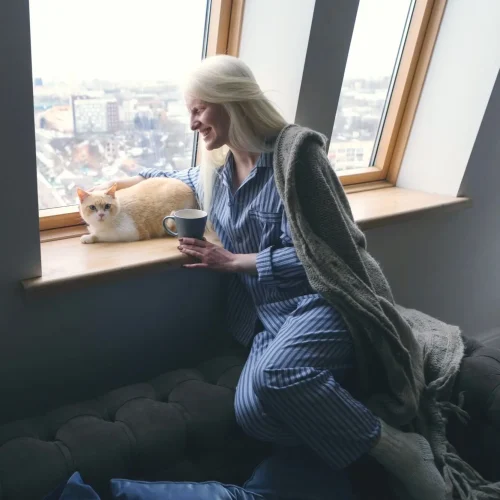
Erie winters are tough—lake-effect snow piles up, sidewalks turn icy, and temperatures often stay below freezing for weeks. For many families, this means loved ones, especially seniors or those with limited mobility, spend more time indoors. They may even sit or lay in the same position for hours. While staying cozy by the heater feels necessary, prolonged immobility can quietly lead to serious issues: pressure ulcers (also called bedsores or pressure injuries), swollen legs from poor circulation, and small skin breaks that turn into chronic wounds.
These problems spike in winter when activity drops, cold causes blood vessels to constrict and decrease blood flow to the skin, and dry indoor heat cracks fragile skin. For older adults recovering from surgery, dealing with diabetes, stroke, arthritis, or general frailty, the risk is even higher. Luckily, many of these complications are preventable.
Why Winter Immobility Raises the Risk in Erie
Pressure ulcers form when constant pressure on the skin from beds, chairs, wheelchairs, etc. reduces blood supply, damaging tissue. Common spots include the heels, tailbone, hips, and shoulders. In Erie, factors make this worse:
- Heavy snowfall and ice keep people at home, leading to “couch potato syndrome” or extended bed rest.
- Slippery conditions increase fall fears, so families limit movement even more.
- Cold weather reduces circulation naturally, while dry heated homes make skin more vulnerable to breakdown.
Without intervention, early redness can progress to open wounds in as little as a few hours of unrelieved pressure. Poor circulation also raises risks for blood clots, stiffness, muscle weakness, and falls that cause new injuries.
How Physical Therapy Plays a Key Role in Prevention
Physical therapists are experts in movement, positioning, and skin integrity. Evidence shows PT helps prevent pressure ulcers by addressing root causes like immobility, poor positioning, and reduced blood flow. PTs assess risk, create customized plans, and educate patients and caregivers on safe strategies—often working alongside others in the care team for comprehensive care.
Key preventive strategies PTs use include:
- Positioning and Pressure Relief — Teaching safe turns every 2 hours (or more often if needed) and using pillows or foam wedges to offload bony areas.
- Circulation and Edema Management — Gentle exercises to activate the “muscle pump” in legs, plus elevation techniques to reduce swelling.
- Mobility and Functional Training — Building strength and balance to encourage safe movement and prevent falls.
- Skin Care Education — Daily skin checks (especially heels, tailbone, and elbows), moisturizing dry winter skin, and spotting early warning signs like redness or warmth.
These aren’t one-size-fits-all. Physical therapy tailors them to the person’s home setup, abilities, and medical needs.
Why In-Home Outpatient PT Shines for Winter Prevention
Traditional clinic visits can be risky in Erie winters: icy driveways, transportation hassles, and exposure to germs when immunity is lower. In-home PT eliminates those barriers:
- We come to you—no need to navigate snow or stairs with mobility aids.
- Sessions happen in your real environment: assessing your actual bed, chair, or wheelchair for pressure risks and practicing safe transfers right there.
- One-on-one focus builds caregiver confidence with hands-on training.
- Flexible scheduling around weather, energy levels, or family help.
- Many insurance plans (including Medicare for qualifying outpatient cases) cover in-home PT—benefits can often be verified quickly.
Ready to assess risks and start a custom plan? Contact us today for a free consultation. Let’s keep Erie winters from slowing anyone down—reach out now and get ahead of the season!